

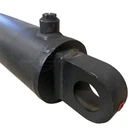



Hey there! As a supplier of Compactor Cylinders, I've seen my fair share of cylinders in different states of wear and tear. In this blog, I'm gonna share with you the signs that indicate a compactor cylinder is worn out. This info can be super useful whether you're a maintenance guy, a fleet manager, or just someone interested in how these things work.
Leaking Hydraulic Fluid
One of the most obvious signs that a compactor cylinder is on its last legs is hydraulic fluid leakage. You'll usually notice small puddles or drips under the cylinder or along the hoses. This leakage can happen for a few reasons. First off, the seals in the cylinder can wear out over time. These seals are like little gaskets that keep the hydraulic fluid where it's supposed to be. When they start to break down, fluid can seep out.
Another cause could be damage to the cylinder barrel. If there are scratches or dents on the barrel, it can disrupt the proper sealing of the piston and rod, leading to leaks. Leaking hydraulic fluid isn't just a mess; it can also reduce the cylinder's efficiency. The hydraulic system relies on the fluid to transfer power, and when you're losing fluid, you're losing that power. This can make the compactor work less effectively, taking longer to compress the garbage or whatever it's designed to compact.
Slow or Inconsistent Operation
If you notice that your compactor cylinder is moving slower than usual or its movement is inconsistent, that's a red flag. A worn - out cylinder might have trouble extending or retracting at the normal speed. This can be due to internal wear in the cylinder components. For example, the piston rings might be worn, allowing hydraulic fluid to bypass the piston and reducing the force it can generate.
Inconsistent operation can also be a sign of air in the hydraulic system. When air gets into the system, it can cause the cylinder to move in a jerky or uneven manner. This can be really frustrating because it makes it hard to predict how the compactor will perform. If you're trying to compact garbage in a timely and efficient way, a slow or inconsistent cylinder can throw off your whole operation.
Excessive Noise
A noisy compactor cylinder is never a good sign. You might hear grinding, knocking, or rattling sounds when the cylinder is in operation. Grinding noises can indicate that there's metal - to - metal contact inside the cylinder. This could be because the bearings are worn, or there's debris in the cylinder that's causing the parts to rub against each other.
Knocking sounds can be a sign of loose components. Maybe the rod or the mounting hardware has become loose over time, and it's hitting against other parts of the cylinder or the compactor. Rattling can also be due to loose parts or problems with the hydraulic valves. These valves control the flow of hydraulic fluid, and if they're not working properly, it can cause the cylinder to make strange noises. Excessive noise not only means there's a problem with the cylinder but can also be a safety hazard, as it can mask other important sounds in the work environment.
Visible Damage to the Rod and Barrel
Take a close look at the rod and the barrel of the compactor cylinder. If you see scratches, dents, or corrosion on the rod, it's a sign that the cylinder has been through a lot. Scratches on the rod can damage the seals as the rod moves in and out of the cylinder, leading to leaks. Dents can also affect the smooth movement of the rod and the proper functioning of the piston.
Corrosion is another issue. It can weaken the metal of the rod and the barrel, making them more prone to breakage. The barrel of the cylinder should also be inspected for any signs of damage. Cracks or deformation in the barrel can be extremely serious, as they can lead to catastrophic failure of the cylinder. If you notice any visible damage, it's important to address it as soon as possible.
High Temperature
If the compactor cylinder is running hotter than normal, that's a sign of trouble. High temperatures can be caused by a variety of factors. One common cause is excessive friction inside the cylinder. As the components wear, they can rub against each other more, generating heat. Another cause could be a problem with the hydraulic fluid. If the fluid is old or contaminated, it might not be able to dissipate heat properly, causing the cylinder to overheat.
Overheating can damage the seals and other internal components of the cylinder. Seals are made of rubber or other materials that can break down at high temperatures, leading to leaks. High temperatures can also cause the metal parts to expand, which can further affect the cylinder's performance.

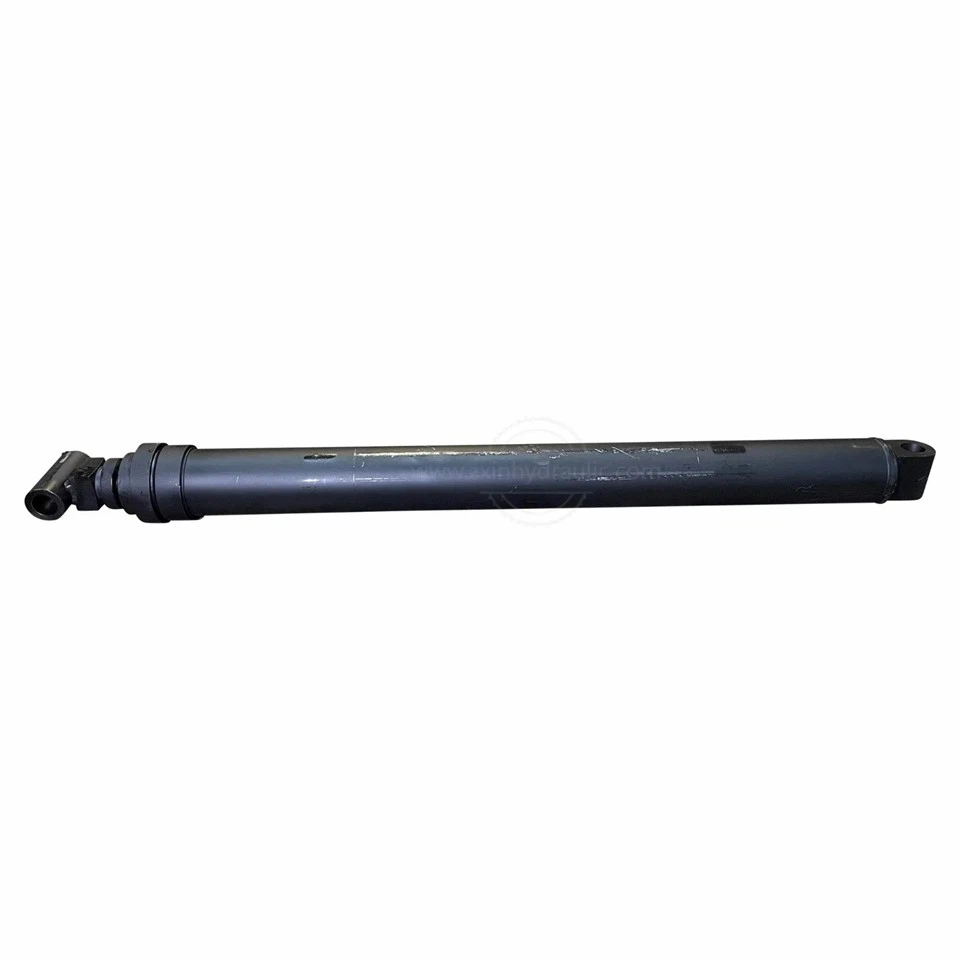
Seized or Stuck Cylinder
In the worst - case scenario, a worn - out compactor cylinder might seize or get stuck. This can happen when the internal components become so worn or damaged that they can't move freely. For example, if the piston gets jammed in the cylinder due to excessive wear or debris, the cylinder won't be able to extend or retract at all.
A seized cylinder is a major problem because it stops the compactor from working altogether. You'll have to shut down the operation and figure out how to fix the cylinder. This can lead to costly downtime, especially if you're running a commercial waste management business or another operation that relies on the compactor.
If you're experiencing any of these signs with your compactor cylinder, don't wait until it's too late. We're a leading supplier of Compactor Cylinders, and we can provide you with high - quality replacement cylinders. We also offer Ejector Cylinders and Packer Cylinder for different types of compactor applications.
If you're interested in learning more about our products or need help with choosing the right cylinder for your compactor, feel free to reach out. We're here to assist you in getting your compactor back up and running at its best. Contact us today to start a conversation about your procurement needs.
References
- Hydraulic Cylinder Handbook, Industry Press
- Maintenance Guide for Compactor Equipment, Waste Management Association