

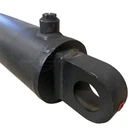



As a supplier of Side Tipper Cylinders, I've witnessed firsthand the unique challenges and requirements these components face, especially in low-temperature environments. In this blog, I'll delve into the special considerations and demands for Side Tipper Cylinders when operating in frigid conditions.
Material Selection
One of the primary concerns in low-temperature environments is the choice of materials for the Side Tipper Cylinder. The metal used must maintain its strength and toughness at low temperatures to prevent brittle fracture. For instance, carbon steels with low carbon content and appropriate alloying elements are often preferred. These steels can withstand the reduced ductility that typically occurs in cold conditions. Additionally, the cylinder's seals are also crucial. Specialized seal materials, such as low-temperature-resistant rubber compounds, are necessary to ensure proper sealing and prevent leakage. These seals need to remain flexible even in sub-zero temperatures to maintain the cylinder's performance.
Lubrication
Lubrication is another critical aspect. In low temperatures, the viscosity of conventional lubricants increases significantly, which can impede the smooth operation of the cylinder. Therefore, low-temperature lubricants with excellent flow properties at cold temperatures are essential. These lubricants should also have good anti-wear and anti-corrosion properties to protect the cylinder's internal components. Regular maintenance and monitoring of the lubricant level and quality are necessary to ensure optimal performance.
Thermal Expansion and Contraction
Low temperatures cause materials to contract, and this thermal contraction can affect the fit and alignment of the Side Tipper Cylinder's components. The design of the cylinder must account for this phenomenon to prevent excessive stress on the parts. For example, proper clearances need to be maintained between the piston and the cylinder wall to accommodate the contraction without causing binding or jamming. Additionally, the mounting brackets and connections should be designed to allow for some flexibility to compensate for the thermal movement.
Hydraulic System Considerations
The hydraulic system that powers the Side Tipper Cylinder also has specific requirements in low-temperature environments. The hydraulic fluid must have a low pour point to prevent it from solidifying in cold conditions. A fluid with good cold flow properties ensures that the system can operate smoothly and deliver the necessary pressure to the cylinder. Moreover, the hydraulic pump and valves need to be designed to handle the increased viscosity of the fluid at low temperatures. Some systems may require preheating or insulation to maintain the fluid's temperature within an acceptable range.
Performance Testing
Before deploying Side Tipper Cylinders in low-temperature environments, thorough performance testing is essential. These tests should simulate the actual operating conditions, including the expected temperature range, load, and cycling frequency. By conducting these tests, any potential issues can be identified and addressed before the cylinders are put into service. This helps to ensure the reliability and safety of the equipment.
Comparison with Other Cylinders
It's interesting to compare the requirements of Side Tipper Cylinders with other types of cylinders, such as Roll-off Truck Cylinder. While both types of cylinders may face similar challenges in low-temperature environments, the specific design and application of the Side Tipper Cylinder may require additional considerations. For example, the Side Tipper Cylinder is often used in applications where it needs to operate under uneven loads and in confined spaces, which can add to the complexity of its design and performance requirements.
Importance of Quality Manufacturing
As a supplier, we understand the importance of quality manufacturing in meeting the special requirements of Side Tipper Cylinders in low-temperature environments. Our manufacturing process adheres to strict quality control standards to ensure that each cylinder meets or exceeds the industry's specifications. We use advanced machining and welding techniques to produce cylinders with high precision and durability. Additionally, we conduct comprehensive inspections and tests at every stage of the manufacturing process to guarantee the quality of our products.


The Role of Hydraulic Piston
The Hydraulic Piston is a critical component of the Side Tipper Cylinder. In low-temperature environments, the piston must be designed to withstand the increased forces and stresses caused by the cold conditions. The surface finish of the piston is also important to reduce friction and wear. A smooth surface finish helps to ensure the efficient operation of the cylinder and extends its service life.
Maintenance and Service
Proper maintenance and service are crucial for the long-term performance of Side Tipper Cylinders in low-temperature environments. Regular inspections should be carried out to check for signs of wear, damage, or leakage. Any worn or damaged components should be replaced promptly to prevent further problems. Additionally, the cylinder should be cleaned and lubricated regularly to maintain its performance.
Conclusion
In conclusion, Side Tipper Cylinders operating in low-temperature environments have specific requirements that need to be carefully considered. From material selection and lubrication to thermal expansion and performance testing, every aspect of the cylinder's design and operation must be optimized for cold conditions. As a supplier of Side Tipper Cylinder, we are committed to providing high-quality products that meet these requirements. If you are in need of Side Tipper Cylinders for your low-temperature applications, we invite you to contact us for a detailed discussion and to explore how our products can meet your specific needs.
References
- ASTM International. (Year). Standard specifications for materials used in low-temperature applications.
- Hydraulic Institute. (Year). Guidelines for hydraulic system design in cold environments.
- Manufacturer's manuals and technical documentation for Side Tipper Cylinders.