

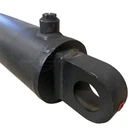

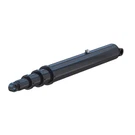


Hey there! As a supplier of Packer Cylinders, I often get asked about the differences between compact and standard-sized Packer Cylinders. So, I thought I'd write this blog to break it all down for you.
First off, let's talk about what a Packer Cylinder is. A Packer Cylinder is a crucial part in garbage trucks and waste management equipment. It's responsible for packing the waste into the truck's storage area, making sure you can fit as much trash as possible. You can learn more about them here.
Size and Dimensions
The most obvious difference between compact and standard-sized Packer Cylinders is their size. Compact cylinders are, well, more compact. They're designed to take up less space, which can be a huge advantage in some situations. For example, if you're working with a smaller garbage truck or a piece of equipment where space is at a premium, a compact cylinder might be the way to go.
On the other hand, standard-sized cylinders are larger. They usually have a bigger bore and stroke, which means they can generate more force. This extra force can be really useful when you're dealing with heavy or dense waste that needs a lot of pressure to pack down.
Force and Power
As I mentioned, standard-sized cylinders typically have more power. The larger bore and stroke allow them to push with greater force, making them ideal for heavy-duty applications. If you're in an area where you're dealing with large amounts of industrial waste or construction debris, a standard-sized Packer Cylinder is likely going to be more effective.
Compact cylinders, while they may not have as much raw power, are still plenty powerful for many applications. They're often used in residential garbage collection, where the waste is generally less dense and doesn't require as much force to pack. They can also be a good choice for smaller commercial operations where the volume of waste isn't as high.
Installation and Compatibility
Another factor to consider is installation. Compact cylinders are generally easier to install because of their smaller size. They can fit into tighter spaces and may require less modification to the equipment. This can save you time and money during the installation process.
Standard-sized cylinders, on the other hand, may require more space and may need some adjustments to the equipment to fit properly. However, most modern garbage trucks and waste management equipment are designed to accommodate standard-sized cylinders, so it's usually not a major issue.
Cost
Cost is always a consideration when making a purchasing decision. Compact cylinders are usually less expensive than standard-sized ones. This is partly because they use less material and are generally simpler in design. If you're on a tight budget or if you don't need the extra power of a standard-sized cylinder, a compact cylinder can be a cost-effective option.
However, it's important to remember that the cost of the cylinder is just one part of the equation. You also need to consider the long-term costs, such as maintenance and replacement. A more expensive standard-sized cylinder may last longer and require less maintenance, which could save you money in the long run.


Applications
Let's take a closer look at some specific applications for each type of cylinder.
Compact Packer Cylinders
- Residential Garbage Collection: As I mentioned earlier, compact cylinders are great for residential areas. The waste in these areas is usually less dense and doesn't require a lot of force to pack. They're also a good choice for smaller garbage trucks that are used in narrow streets or alleys.
- Small Commercial Operations: For small businesses that generate a moderate amount of waste, a compact cylinder can be sufficient. They're cost-effective and can handle the volume of waste without any problems.
Standard-Sized Packer Cylinders
- Industrial Waste Management: Industrial waste is often heavy and dense, requiring a lot of force to pack. Standard-sized cylinders are designed to handle this type of waste and can make the packing process much more efficient.
- Construction Sites: Construction debris can be very bulky and difficult to pack. A standard-sized Packer Cylinder can provide the power needed to compress this waste and make it easier to transport.
Other Related Cylinders
In addition to Packer Cylinders, there are other types of cylinders used in garbage trucks and waste management equipment. For example, Compactor Cylinders are used to compact the waste further once it's in the truck's storage area. And Tailgate Lift Cylinders are used to lift and lower the tailgate of the truck.
Conclusion
So, there you have it! The main differences between compact and standard-sized Packer Cylinders come down to size, force, installation, cost, and applications. When choosing a cylinder for your garbage truck or waste management equipment, it's important to consider your specific needs and requirements.
If you're still not sure which type of cylinder is right for you, don't hesitate to reach out. We're here to help you make the best decision for your business. Whether you need a compact cylinder for a small operation or a standard-sized cylinder for heavy-duty work, we've got you covered.
If you're interested in purchasing a Packer Cylinder or have any questions, feel free to contact us. We'll be happy to discuss your needs and provide you with a quote.
References
- Industry knowledge and experience as a Packer Cylinder supplier.
- General understanding of waste management equipment and hydraulic cylinders.