




In the dynamic world of modern agriculture, the efficiency and versatility of equipment can significantly impact productivity and profitability. As a leading supplier of agricultural cylinders, I've witnessed firsthand how these components can revolutionize farming operations. One of the most frequently asked questions is whether agricultural cylinders can be used in combination with other equipment. The resounding answer is yes, and in this blog, I'll explore the various ways in which agricultural cylinders can be integrated with other machinery to enhance performance.
Understanding Agricultural Cylinders
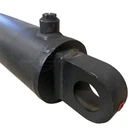
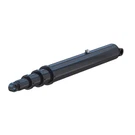
Before delving into their compatibility with other equipment, it's essential to understand what agricultural cylinders are. Agricultural cylinders are hydraulic devices that convert hydraulic energy into linear mechanical force and motion. They are commonly used in tractors, combines, and other agricultural machinery to perform a variety of tasks, such as lifting, tilting, and pushing.
There are several types of agricultural cylinders, each designed for specific applications. For instance, Hydraulic Tilt Cylinders are used to adjust the angle of implements, allowing for precise control over the working depth and angle. Agricultural Hydraulic Cylinders are more general-purpose and can be used in a wide range of applications, from lifting heavy loads to operating attachments. Top Link Hydraulic Cylinders are specifically designed to adjust the top link of a three - point hitch, providing additional control over the implement's position.


Compatibility with Tractors
Tractors are the workhorses of the agricultural industry, and agricultural cylinders can be seamlessly integrated with them. One of the most common applications is in the three - point hitch system. The three - point hitch is used to attach and control various implements, such as plows, cultivators, and mowers. Agricultural cylinders can be used to adjust the height, angle, and position of the implement, allowing for precise control over the farming operation.
For example, a hydraulic cylinder can be used to raise and lower the implement, enabling quick and easy adjustment of the working depth. This is particularly useful when working in different soil conditions or when performing different tasks. Additionally, cylinders can be used to tilt the implement, ensuring that it is level and parallel to the ground, which improves the quality of the work and reduces wear and tear on the equipment.
Integration with Harvesting Equipment
In harvesting operations, agricultural cylinders play a crucial role in enhancing efficiency. Combine harvesters, for example, use cylinders to control various functions such as the height of the header, the angle of the reel, and the movement of the unloading auger. By using cylinders, farmers can make precise adjustments to these components, ensuring that the harvesting process is as efficient as possible.
The height of the header can be adjusted using a hydraulic cylinder to match the height of the crop, reducing losses and improving the quality of the harvested product. The angle of the reel can also be adjusted to ensure that the crop is properly fed into the combine, preventing blockages and improving the flow of material. And the unloading auger can be extended and retracted using a cylinder, allowing the harvested grain to be quickly and easily transferred to a storage bin or a transport vehicle.
Working with Tillage Equipment
Tillage is an essential part of the farming process, and agricultural cylinders can significantly improve the performance of tillage equipment. Plows, disk harrows, and cultivators all benefit from the use of cylinders. For plows, cylinders can be used to adjust the depth and angle of the plow shares, ensuring that the soil is turned over to the desired depth and that the plow follows the contour of the land.
In disk harrows, cylinders can be used to adjust the angle of the disks, which affects the depth of tillage and the degree of soil mixing. This allows farmers to customize the tillage operation based on the soil type, crop requirements, and other factors. Cultivators also use cylinders to control the position and depth of the tines, providing precise control over the soil cultivation process.
Advantages of Using Agricultural Cylinders in Combination
There are several advantages to using agricultural cylinders in combination with other equipment. Firstly, it enhances the versatility of the machinery. By being able to adjust the position, angle, and height of the implements, farmers can use a single piece of equipment for multiple tasks, reducing the need for multiple specialized machines.
Secondly, it improves the precision of the farming operations. Precise control over the implements allows for more accurate tillage, planting, and harvesting, resulting in higher crop yields and better quality products. Thirdly, it increases the efficiency of the equipment. Quick and easy adjustments mean less time spent on setup and more time spent on actual farming.
Considerations for Combination Use
While agricultural cylinders offer many benefits when used in combination with other equipment, there are some considerations to keep in mind. Compatibility is crucial. The cylinders must be properly matched to the equipment in terms of size, pressure rating, and flow capacity. Using an incompatible cylinder can lead to poor performance, damage to the equipment, and safety hazards.
Proper installation and maintenance are also essential. Cylinders should be installed by qualified professionals to ensure that they are correctly aligned and connected. Regular maintenance, such as checking for leaks, lubricating moving parts, and replacing worn seals, is necessary to keep the cylinders in good working condition.
Conclusion
In conclusion, agricultural cylinders can indeed be used in combination with other equipment, and this combination offers numerous benefits for modern farming operations. Whether it's on tractors, harvesting equipment, or tillage machinery, agricultural cylinders provide the precise control and versatility needed to improve productivity and efficiency.
If you're interested in exploring how our high - quality agricultural cylinders can be integrated with your existing equipment, I encourage you to reach out to us today. We have a team of experts ready to assist you in finding the right cylinders for your specific needs and providing guidance on installation and maintenance. Let's work together to take your agricultural operations to the next level.
References
- ASABE Standards. American Society of Agricultural and Biological Engineers.
- Hydraulic Systems in Agriculture: Principles and Applications. A comprehensive textbook on hydraulic systems in the agricultural context.
- Agricultural Machinery Handbook. A widely - used reference for understanding and operating different types of agricultural equipment.