

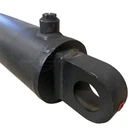



Hey there! As a supplier of dump truck cylinders, I've seen firsthand how different factors can affect the performance of these crucial components. One factor that doesn't get as much attention as it should is altitude. In this blog post, I'm gonna dive into what impact altitude can have on a dump truck cylinder's performance.
How Altitude Affects Air Pressure
Let's start with the basics. Altitude is all about how high you are above sea level. And as you go up in altitude, the air pressure drops. This decrease in air pressure has a domino effect on a bunch of things related to a dump truck cylinder.
At higher altitudes, the lower air pressure means there's less resistance for the cylinder to work against when it's extending or retracting. Sounds like a good thing, right? Well, it's a bit more complicated than that. You see, most dump truck cylinders are designed to operate at standard atmospheric pressure, which is what you'd find around sea level. When you take them to higher altitudes, the change in pressure can throw off their normal operation.
Impact on Hydraulic Systems
Dump truck cylinders are usually part of a hydraulic system. Hydraulic systems rely on the incompressibility of hydraulic fluid to transfer force and do work. But the air in the system can get affected by the change in altitude.
With lower air pressure at higher altitudes, the air in the hydraulic system can expand. This expansion can lead to air bubbles forming in the hydraulic fluid. These air bubbles are a big problem because they're compressible, unlike the hydraulic fluid. When the cylinder tries to operate, these air bubbles can be compressed instead of the fluid being forced through the system, which reduces the efficiency of the cylinder.
For example, if you're using a Pin To Pin Telescopic Cylinders at a high altitude, these air bubbles can cause the cylinder to move more slowly or not as smoothly as it would at sea level. You might notice a bit of a lag when the operator tries to lift or lower the dump body.
Temperature Changes at High Altitudes
Another thing that comes with higher altitudes is a change in temperature. Generally, the temperature drops as you go up in altitude. This change in temperature can also impact the performance of a dump truck cylinder.
The hydraulic fluid in the cylinder has a specific viscosity, which is basically its thickness. When the temperature drops, the hydraulic fluid can become thicker. A thicker fluid is harder to pump through the hydraulic system, which means the cylinder might have to work harder to extend and retract.
Let's say you're using a Tipping Ram in a mountainous area with cold temperatures due to high altitude. The thicker hydraulic fluid can make the tipping process slower and less responsive. This not only affects the efficiency of the dump truck but can also put more stress on the cylinder, potentially leading to premature wear and tear.
Seal Performance
Dump truck cylinders have seals that keep the hydraulic fluid inside and prevent leaks. These seals are designed to work under certain conditions, including a specific range of pressures and temperatures.
At higher altitudes, the combination of lower air pressure and colder temperatures can affect the performance of these seals. The lower pressure can cause the seals to expand slightly, which might lead to leaks if they're not properly designed to handle the change. And the cold temperatures can make the seals more brittle, increasing the risk of cracking or breaking.
If you're using an Underbody Telescopic Cylinder and the seals start to fail due to altitude-related issues, you could end up with hydraulic fluid leaking onto the road, which is not only a safety hazard but also a waste of money.
Lubrication Issues
Lubrication is key for the smooth operation of a dump truck cylinder. The moving parts inside the cylinder need to be properly lubricated to reduce friction and wear.
The change in temperature at high altitudes can affect the lubrication. As I mentioned earlier, the cold temperatures can make the lubricant thicker, which might not spread as evenly over the moving parts. This can lead to increased friction, which in turn can cause the parts to wear out faster.
How to Mitigate the Impact
So, what can you do to make sure your dump truck cylinders perform well at high altitudes?
First, you need to use the right hydraulic fluid. Look for a fluid that has a wide temperature range and is designed to handle changes in pressure. This can help reduce the formation of air bubbles and keep the viscosity at an acceptable level in different temperatures.
Second, make sure the seals in the cylinder are up to the task. There are seals specifically designed for high - altitude and cold - temperature conditions. Upgrading to these seals can prevent leaks and ensure the cylinder operates smoothly.
Regular maintenance is also crucial. Check the hydraulic system for air bubbles and bleed the system if necessary. Keep an eye on the lubrication and replace it when needed.
Conclusion
Altitude can have a significant impact on the performance of a dump truck cylinder. From changes in air pressure affecting the hydraulic system to temperature variations impacting seals and lubrication, there are many factors to consider.
But don't worry! As a dump truck cylinder supplier, I'm here to help you navigate these challenges. We offer a range of high - quality cylinders and components that are designed to perform well in different conditions, including high altitudes.


If you're in the market for dump truck cylinders or need advice on how to make your existing cylinders work better at high altitudes, feel free to reach out. We can have a chat about your specific needs and find the best solutions for you. Let's work together to keep your dump trucks running smoothly, no matter the altitude!
References
- "Hydraulic Systems Handbook" - A comprehensive guide on the principles and operation of hydraulic systems.
- "Materials and Seals for Extreme Conditions" - A research paper discussing the performance of seals in different temperature and pressure environments.