

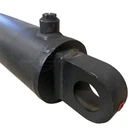



The choice of valves for a packer cylinder is a critical decision that significantly impacts the overall performance, efficiency, and safety of the system. One of the most influential factors in this decision-making process is the type of fluid used within the hydraulic system. As a packer cylinder supplier, I have witnessed firsthand how different fluid types can necessitate specific valve selections. In this blog post, I will delve into the impact of fluid type on valve selection for a packer cylinder, exploring the key considerations and implications.
Understanding the Role of Fluids in Packer Cylinder Systems
Before discussing the impact of fluid type on valve selection, it is essential to understand the role of fluids in packer cylinder systems. Hydraulic fluids serve several crucial functions, including transmitting power, lubricating components, dissipating heat, and sealing gaps between moving parts. The choice of fluid depends on various factors, such as the operating temperature range, system pressure, environmental conditions, and the specific requirements of the application.
Common types of hydraulic fluids used in packer cylinder systems include mineral oils, synthetic oils, water-glycol mixtures, and phosphate esters. Each fluid type has its unique properties, advantages, and limitations, which can significantly affect the performance and longevity of the valves and other components in the system.


Impact of Fluid Type on Valve Material Selection
One of the primary considerations when selecting valves for a packer cylinder is the compatibility between the fluid and the valve materials. Different fluids have varying chemical compositions and properties, which can cause corrosion, erosion, or other forms of damage to the valve components if they are not compatible.
For example, mineral oils are widely used in hydraulic systems due to their excellent lubricating properties and relatively low cost. However, they can be prone to oxidation and degradation over time, especially at high temperatures. Therefore, valves used with mineral oils should be made of materials that are resistant to oxidation and corrosion, such as stainless steel or coated metals.
On the other hand, synthetic oils offer superior performance in terms of temperature stability, oxidation resistance, and anti-wear properties. They are often used in high-performance applications where extreme temperatures or heavy loads are involved. Valves used with synthetic oils can be made of a wider range of materials, including aluminum, brass, and various types of plastics, depending on the specific requirements of the application.
Water-glycol mixtures are commonly used in applications where fire resistance is a concern, such as in mining, steel mills, and power plants. These fluids have a high water content, which can cause corrosion and rusting of metal components if they are not properly protected. Valves used with water-glycol mixtures should be made of materials that are resistant to corrosion, such as stainless steel or coated metals, and should also be designed to prevent the formation of water droplets and condensation within the valve.
Phosphate esters are highly fire-resistant fluids that are often used in applications where safety is a top priority, such as in aviation and aerospace. These fluids are also highly corrosive and can cause damage to many types of metals and plastics. Valves used with phosphate esters should be made of materials that are specifically designed to be compatible with these fluids, such as certain types of stainless steel and specialty polymers.
Impact of Fluid Type on Valve Design and Performance
In addition to material compatibility, the type of fluid used in a packer cylinder system can also have a significant impact on the design and performance of the valves. Different fluids have different viscosities, densities, and flow characteristics, which can affect the way the valves operate and the amount of pressure and flow required to control them.
For example, high-viscosity fluids, such as some synthetic oils and certain types of hydraulic fluids, require more energy to flow through the valves and can cause increased pressure drops and flow restrictions. Valves used with high-viscosity fluids may need to be designed with larger orifices and passages to allow for adequate flow and to minimize pressure losses. They may also need to be equipped with special seals and gaskets to prevent leakage and to ensure proper operation at high pressures.
On the other hand, low-viscosity fluids, such as water-glycol mixtures and some types of synthetic oils, have lower resistance to flow and can require less energy to operate the valves. However, they can also be more prone to leakage and may require more precise valve design and manufacturing to ensure proper sealing and control.
The density of the fluid can also affect the performance of the valves. Heavier fluids, such as some types of mineral oils and certain types of synthetic oils, can cause increased wear and tear on the valve components due to the higher forces and pressures involved. Valves used with heavy fluids may need to be designed with stronger and more durable materials and may require more frequent maintenance and replacement.
The flow characteristics of the fluid, such as its laminar or turbulent flow behavior, can also impact the performance of the valves. Turbulent flow can cause increased noise, vibration, and wear on the valve components, while laminar flow can provide smoother and more efficient operation. Valves used with fluids that have a tendency to produce turbulent flow may need to be designed with special features, such as flow straighteners or diffusers, to reduce turbulence and improve performance.
Impact of Fluid Type on Valve Maintenance and Service Life
Another important consideration when selecting valves for a packer cylinder is the impact of the fluid type on valve maintenance and service life. Different fluids have different chemical compositions and properties, which can affect the rate of wear and tear on the valve components and the frequency of maintenance and replacement required.
For example, mineral oils can be prone to oxidation and degradation over time, especially at high temperatures. This can cause the formation of sludge, varnish, and other deposits within the valve, which can reduce its performance and increase the risk of failure. Valves used with mineral oils may need to be cleaned and serviced more frequently to prevent the buildup of these deposits and to ensure proper operation.
Synthetic oils, on the other hand, offer superior performance in terms of oxidation resistance and anti-wear properties, which can extend the service life of the valves and reduce the frequency of maintenance and replacement. However, they can also be more expensive than mineral oils, which may need to be considered when making a valve selection.
Water-glycol mixtures can be prone to corrosion and rusting of metal components, especially if they are not properly maintained. Valves used with water-glycol mixtures may need to be inspected and serviced regularly to check for signs of corrosion and to ensure that the fluid is properly treated and maintained.
Phosphate esters are highly corrosive fluids that can cause damage to many types of metals and plastics. Valves used with phosphate esters may need to be made of special materials and may require more frequent maintenance and replacement to ensure proper operation and safety.
Conclusion
In conclusion, the type of fluid used in a packer cylinder system has a significant impact on the selection, design, performance, maintenance, and service life of the valves. As a packer cylinder supplier, it is essential to understand the properties and characteristics of different fluid types and to select valves that are compatible with the specific fluid being used. By considering factors such as material compatibility, valve design, fluid viscosity, density, and flow characteristics, as well as maintenance and service requirements, we can ensure that our customers' packer cylinder systems operate safely, efficiently, and reliably.
If you are in the market for packer cylinders or related hydraulic components, I encourage you to [reach out to us] to discuss your specific needs and requirements. Our team of experts has extensive experience in the design, selection, and installation of hydraulic systems and can provide you with the best solutions for your application. We also offer a wide range of Tailgate Lift Cylinder, Ejector Cylinders, and Compactor Cylinders to meet the diverse needs of our customers.
References
- "Hydraulic Fluid Basics," Hydraulics & Pneumatics, [publication date].
- "Valve Selection Guide," Fluid Power World, [publication date].
- "The Impact of Fluid Type on Hydraulic System Performance," Fluid Power Journal, [publication date].