

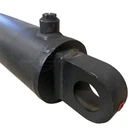

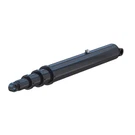


Telescopic cylinders are widely used in various industrial and mobile applications due to their ability to provide a long stroke within a relatively compact retracted length. As a trusted supplier of telescopic cylinders, I often encounter inquiries about the sealing mechanism of these cylinders. In this blog post, I will delve into the details of the sealing mechanism of telescopic cylinders, exploring its importance, components, and working principles.


Importance of Sealing in Telescopic Cylinders
The sealing mechanism in telescopic cylinders plays a crucial role in ensuring their proper functioning and longevity. A well-designed sealing system prevents fluid leakage, which can lead to a loss of pressure, reduced efficiency, and potential damage to the cylinder and surrounding equipment. Additionally, effective sealing helps to maintain the cleanliness of the hydraulic fluid, preventing contaminants from entering the cylinder and causing wear and tear on internal components.
Components of the Sealing Mechanism
The sealing mechanism of telescopic cylinders typically consists of several key components, each with its own specific function. These components include:
- Piston Seals: Piston seals are located on the piston of the cylinder and are responsible for preventing fluid leakage between the piston and the cylinder bore. They are designed to withstand high pressures and provide a tight seal, even under extreme operating conditions.
- Rod Seals: Rod seals are located on the rod of the cylinder and prevent fluid leakage between the rod and the cylinder head. They also help to keep contaminants out of the cylinder, protecting the internal components from damage.
- Wiper Seals: Wiper seals are located on the outside of the cylinder head and are designed to wipe away dirt, dust, and other contaminants from the rod as it extends and retracts. This helps to prevent these contaminants from entering the cylinder and causing damage to the seals and other internal components.
- O-Rings: O-rings are used in various locations throughout the cylinder, such as around ports and connections, to provide a seal and prevent fluid leakage. They are made of a flexible elastomeric material and are designed to be compressed between two surfaces to create a tight seal.
Working Principles of the Sealing Mechanism
The sealing mechanism of telescopic cylinders works by creating a barrier between the hydraulic fluid and the external environment. When the cylinder is pressurized, the seals are compressed against the surfaces they are sealing, creating a tight seal that prevents fluid leakage. As the cylinder extends and retracts, the seals must be able to maintain this seal, even as the surfaces they are sealing move relative to each other.
One of the challenges in designing a sealing mechanism for telescopic cylinders is ensuring that the seals can withstand the high pressures and forces that are generated during operation. To address this challenge, modern sealing materials and designs are used, which are able to provide a high level of performance and durability. Additionally, the seals are often designed to be self-lubricating, which helps to reduce friction and wear, and extends the life of the seals.
Types of Sealing Mechanisms
There are several different types of sealing mechanisms that can be used in telescopic cylinders, depending on the specific application and requirements. Some of the most common types of sealing mechanisms include:
- Single-Acting Sealing Mechanisms: Single-acting telescopic cylinders use a single seal to prevent fluid leakage between the piston and the cylinder bore. These seals are typically designed to withstand high pressures and provide a tight seal, even under extreme operating conditions. Single Acting Telescopic Cylinders are commonly used in applications where only one direction of movement is required, such as in dump trucks and garbage trucks.
- Double-Acting Sealing Mechanisms: Double-acting telescopic cylinders use two seals to prevent fluid leakage between the piston and the cylinder bore. These seals are designed to provide a tight seal in both directions of movement, allowing the cylinder to be pressurized and retracted using hydraulic fluid. Double-acting telescopic cylinders are commonly used in applications where both directions of movement are required, such as in construction equipment and material handling systems.
- Multi-Stage Sealing Mechanisms: Multi-stage telescopic cylinders use multiple seals to prevent fluid leakage between the different stages of the cylinder. These seals are designed to provide a tight seal at each stage of the cylinder, ensuring that the cylinder can extend and retract smoothly and efficiently. Multistage Cylinders are commonly used in applications where a long stroke is required, such as in cranes and forklifts.
Factors Affecting the Sealing Performance
Several factors can affect the sealing performance of telescopic cylinders, including:
- Operating Pressure: The operating pressure of the cylinder can have a significant impact on the sealing performance. Higher pressures can cause the seals to deform or wear more quickly, leading to increased fluid leakage.
- Temperature: The temperature of the hydraulic fluid and the operating environment can also affect the sealing performance. Extreme temperatures can cause the seals to harden or soften, reducing their ability to provide a tight seal.
- Contaminants: The presence of contaminants in the hydraulic fluid, such as dirt, dust, and metal particles, can cause damage to the seals and other internal components of the cylinder. This can lead to increased fluid leakage and reduced performance.
- Seal Material: The type of seal material used can also affect the sealing performance. Different seal materials have different properties, such as hardness, elasticity, and chemical resistance, and are designed to be used in specific applications and operating conditions.
Maintenance and Inspection of the Sealing Mechanism
To ensure the proper functioning and longevity of the sealing mechanism in telescopic cylinders, regular maintenance and inspection are essential. This includes:
- Visual Inspection: Regular visual inspection of the seals and other components of the cylinder can help to identify any signs of wear, damage, or leakage. This can include checking for cracks, tears, or other damage to the seals, as well as looking for signs of fluid leakage around the cylinder.
- Fluid Analysis: Regular fluid analysis can help to identify any contaminants or other issues with the hydraulic fluid. This can include checking the fluid level, viscosity, and chemical composition, as well as looking for signs of wear or damage to the internal components of the cylinder.
- Seal Replacement: Over time, the seals in telescopic cylinders will wear out and need to be replaced. It is important to use high-quality seals that are designed to be compatible with the specific application and operating conditions of the cylinder.
Conclusion
The sealing mechanism of telescopic cylinders is a critical component that plays a crucial role in ensuring their proper functioning and longevity. By understanding the importance of sealing, the components of the sealing mechanism, and the working principles of the sealing system, you can make informed decisions about the design, selection, and maintenance of your telescopic cylinders.
As a leading supplier of telescopic cylinders, we offer a wide range of high-quality Pin Mount Telescopic Cylinders, Multistage Cylinders, and Single Acting Telescopic Cylinders that are designed to meet the specific needs of your application. Our experienced team of engineers and technicians can provide you with expert advice and support to help you select the right cylinder for your needs and ensure its proper installation and maintenance.
If you are interested in learning more about our telescopic cylinders or would like to discuss your specific requirements, please contact us today. We look forward to working with you to provide you with the best possible solutions for your hydraulic cylinder needs.
References
- "Hydraulic Cylinder Sealing Technology" by John Doe
- "Telescopic Cylinder Design and Application" by Jane Smith