




Adjusting the tipping angle of Tipper Trailer Kits is a crucial aspect that impacts the efficiency and functionality of dump trailers. As a supplier of Tipper Trailer Kits, I understand the importance of providing clear guidance on this topic to our customers. In this blog post, I will share some insights on how to adjust the tipping angle of Tipper Trailer Kits effectively.
Understanding the Basics of Tipper Trailer Kits
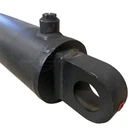
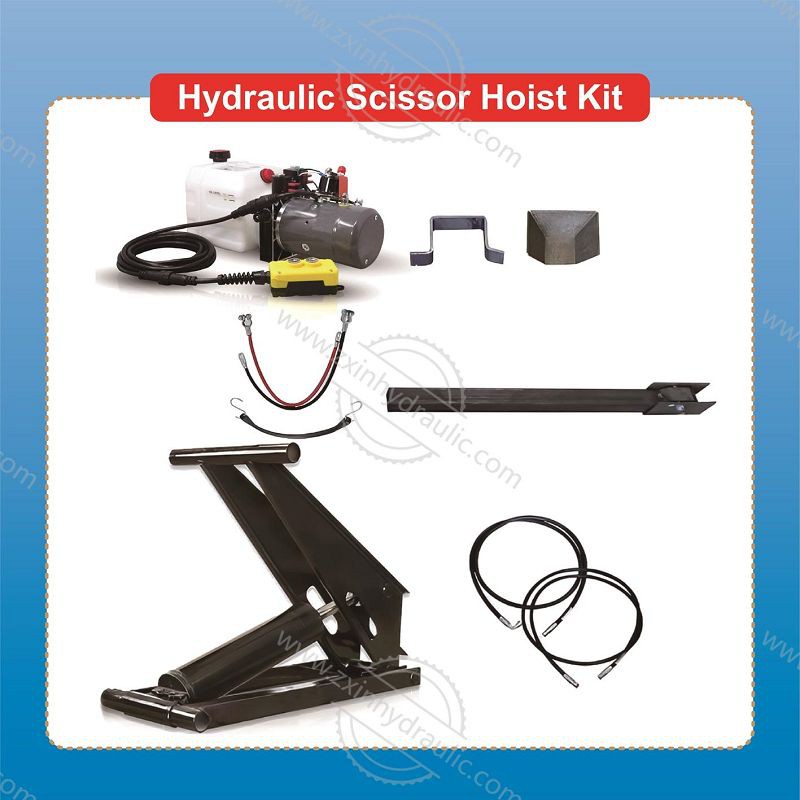
Before delving into the adjustment process, it's essential to have a basic understanding of Tipper Trailer Kits. These kits typically include components such as hydraulic hoists, cylinders, pumps, and control valves. The hydraulic hoist is the key component responsible for lifting and tipping the trailer bed. There are different types of hoists available, such as Dump Bed Trucks Hoist, Hydraulic Scissor Hoists, and Dump Trailer Telescopic Kits, each with its own unique features and advantages.
Factors Affecting the Tipping Angle
Several factors can influence the tipping angle of a Tipper Trailer. These include the design of the hoist, the length and strength of the hydraulic cylinders, the weight and distribution of the load, and the overall stability of the trailer. Understanding these factors is crucial for making accurate adjustments and ensuring safe operation.
- Hoist Design: Different hoist designs have different maximum tipping angles. For example, a telescopic hoist may have a greater tipping angle compared to a scissor hoist. It's important to refer to the manufacturer's specifications for the recommended tipping angle of your specific hoist.
- Hydraulic Cylinder Length and Strength: The length and strength of the hydraulic cylinders determine the lifting capacity and the maximum height to which the trailer bed can be raised. Longer cylinders generally allow for a greater tipping angle, but they also require more hydraulic pressure to operate.
- Load Weight and Distribution: The weight and distribution of the load on the trailer can significantly affect the tipping angle. A heavy load concentrated at the rear of the trailer may cause the trailer to tip at a lower angle, while a more evenly distributed load may allow for a greater tipping angle.
- Trailer Stability: The overall stability of the trailer is crucial for safe tipping. A trailer with a wide wheelbase and a low center of gravity is generally more stable and can handle a greater tipping angle. It's important to ensure that the trailer is properly balanced and that the tires are in good condition.
Steps to Adjust the Tipping Angle
Adjusting the tipping angle of a Tipper Trailer typically involves making adjustments to the hydraulic system or the mechanical components of the hoist. Here are the general steps to follow:
- Inspect the Hoist and Hydraulic System: Before making any adjustments, it's important to inspect the hoist and hydraulic system for any signs of damage or wear. Check the hydraulic hoses, fittings, and cylinders for leaks, and ensure that the control valves are functioning properly.
- Refer to the Manufacturer's Instructions: Consult the manufacturer's instructions or user manual for your specific Tipper Trailer Kit. The manual should provide detailed information on how to adjust the tipping angle and any specific precautions or procedures to follow.
- Adjust the Hydraulic Pressure: In some cases, adjusting the hydraulic pressure can affect the tipping angle. This can be done by adjusting the pressure relief valve on the hydraulic pump. However, it's important to note that changing the hydraulic pressure should only be done by a qualified technician, as incorrect adjustments can lead to unsafe operation.
- Adjust the Mechanical Components: If the tipping angle needs to be adjusted mechanically, this may involve adjusting the length of the hydraulic cylinders, the position of the pivot points, or the tension of the mechanical linkages. These adjustments should also be done by a qualified technician, as they require specialized tools and knowledge.
- Test the Tipping Angle: After making any adjustments, it's important to test the tipping angle to ensure that it is within the recommended range. Slowly raise the trailer bed using the hydraulic controls and observe the tipping angle. If necessary, make further adjustments until the desired tipping angle is achieved.
Safety Precautions
Adjusting the tipping angle of a Tipper Trailer can be a dangerous task, and it's important to take the necessary safety precautions to prevent accidents. Here are some safety tips to keep in mind:
- Wear Protective Gear: Always wear appropriate protective gear, such as safety glasses, gloves, and steel-toed boots, when working on the Tipper Trailer.
- Work in a Safe Environment: Ensure that the trailer is parked on a level surface and that the parking brake is engaged. Avoid working near power lines or other hazards.
- Follow the Manufacturer's Instructions: Always follow the manufacturer's instructions and recommendations when adjusting the tipping angle. Do not exceed the recommended tipping angle or make any modifications to the hoist or hydraulic system without the manufacturer's approval.
- Use Proper Tools and Equipment: Use the proper tools and equipment for the job, and ensure that they are in good condition. Do not use damaged or worn tools.
- Have a Qualified Technician Assist: If you are unsure about how to adjust the tipping angle or if you encounter any problems, it's recommended to have a qualified technician assist you. A professional technician has the knowledge and experience to make accurate adjustments and ensure safe operation.
Conclusion
Adjusting the tipping angle of a Tipper Trailer is an important task that requires careful consideration and attention to detail. By understanding the factors that affect the tipping angle, following the proper steps, and taking the necessary safety precautions, you can ensure that your Tipper Trailer operates safely and efficiently. If you have any questions or need further assistance with adjusting the tipping angle of your Tipper Trailer Kit, please feel free to contact us. We are a leading supplier of Tipper Trailer Kits and are committed to providing our customers with high-quality products and excellent customer service. Whether you are a small business owner or a large construction company, we have the expertise and resources to meet your needs. Contact us today to learn more about our products and services and to discuss your specific requirements.

References
- Manufacturer's instructions and user manuals for Tipper Trailer Kits
- Industry standards and guidelines for Tipper Trailer operation and safety
- Technical articles and resources on hydraulic systems and hoist design